
Utah Probate Court Records
Utah probate court records are public legal documents filed when an estate must be settled after death, a will needs court approval, or a person requires court protection because they cannot manage their own affairs. These records are kept by the district court clerk in each of Utah's 29 counties. You can search Utah probate court records online through the Utah Courts XChange system, visit the courthouse in person, or contact the county clerk by mail. This guide covers where to find probate court records in Utah, what they contain, and how to get copies.
Utah Probate Court Records Quick Facts
What Are Utah Probate Court Records
Probate court records in Utah are official legal documents created when a person dies and their estate must be managed, when a will needs to be proved valid, or when a court must appoint someone to protect a person who cannot act on their own behalf. The records are filed in the district court of the county where the deceased person lived at the time of death. Under Utah's Government Records Access and Management Act, most probate records are public. Utah Code § 63G-2 establishes the right to inspect government records, and probate filings held by district courts fall under that law.
Utah district courts handle three types of probate proceedings under Title 75 of the Utah Code, the Utah Uniform Probate Code. Informal probate is the most common. It does not require a court hearing and is handled through the clerk's office. Unsupervised formal probate requires a hearing before a judge but does not involve ongoing court supervision. Supervised formal probate is the most intensive type, with the court overseeing each step of the administration. The type of proceeding shapes what records are generated and how long the case takes to close.
Records in a probate case file include the petition to open the estate, any will offered for probate, an inventory of assets, notices to creditors, any claims filed against the estate, and the final order of distribution. These become permanent court records once filed in Utah.
The Utah State Courts website at utcourts.gov/courts describes the district court system that handles probate matters across all 29 Utah counties.
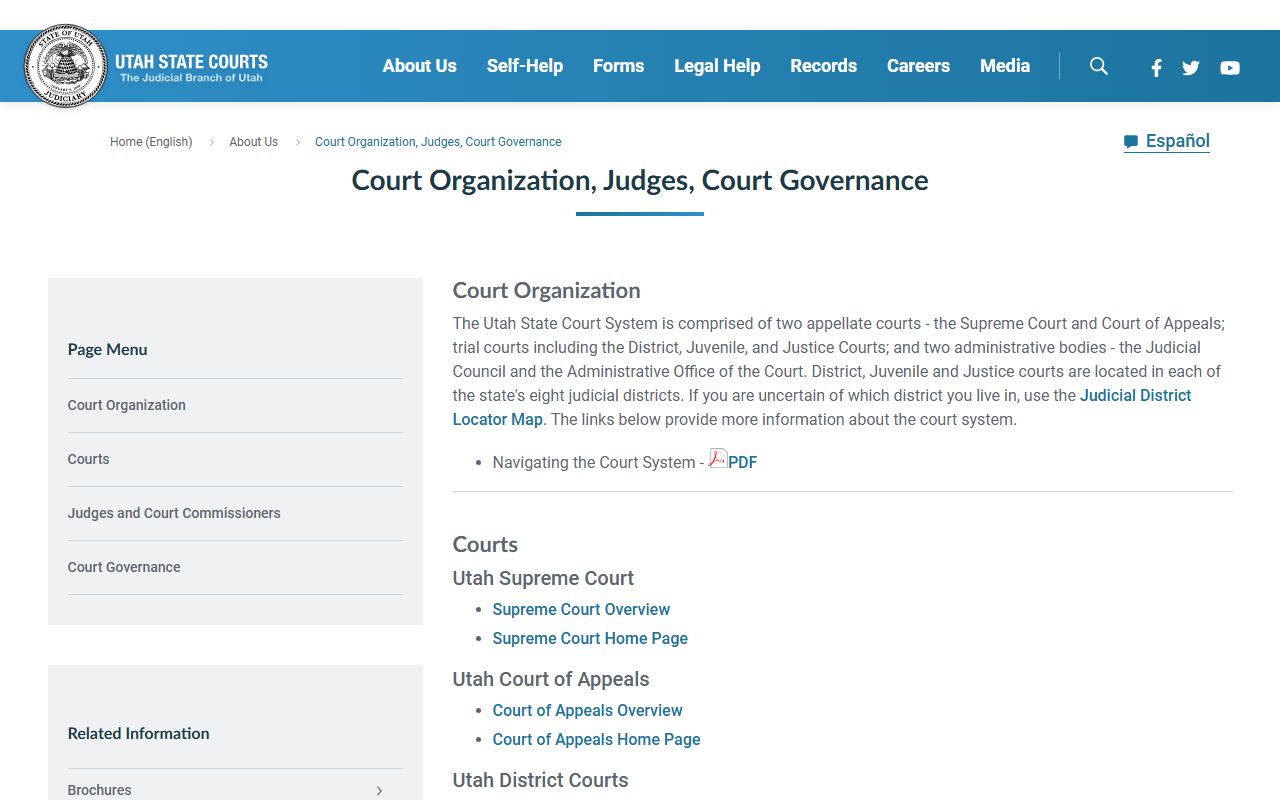
Utah district courts have held probate jurisdiction since 1896, when the earlier territorial probate courts were abolished at statehood and their powers transferred to the new state court system.
How to Search Probate Records Online in Utah
Utah Courts XChange is the primary online system for finding probate court records in Utah. XChange holds public case information for district courts statewide. You can search by party name, case number, or case type. All public documents filed since July 1, 2010 are available in the system. To access XChange, go to utcourts.gov/xchange. An account is required. The initial registration costs $5.00. Each search costs $0.35, and downloading a document costs $1.00. A $40 monthly plan includes up to 500 searches.
The Utah Courts XChange portal lets you search probate case records by name or case number across all Utah district courts statewide.
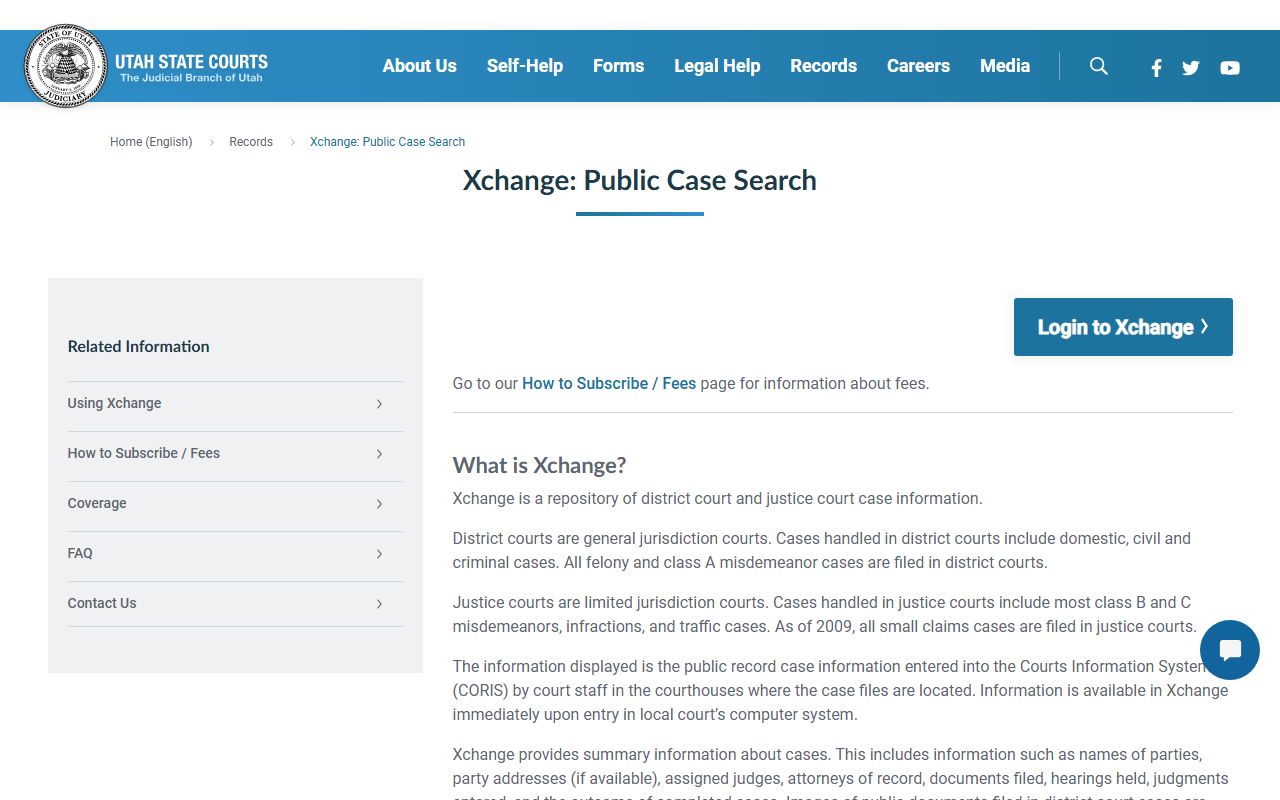
XChange provides case summaries showing party names, hearing dates, documents filed, judges assigned, and final judgments for probate cases across Utah.
Free public access terminals at most Utah district court courthouses allow you to search XChange during business hours at no cost. If you are a party to an active probate case, the MyCourtCase portal provides free case tracking and automatic notifications when your case is updated. MyCourtCase is not a general public search tool; it serves parties to their own cases only.
In-person access is available at every Utah district court. Clerk staff can search for records and make copies. Plain paper copies typically cost $0.25 per page. Certified copies require a separate certification fee per document. Some courts accept mail requests for copies. Call ahead to confirm current policies and what you need to bring.
Utah's Eight Judicial Districts
Utah is divided into eight judicial districts. Each of the 29 counties has a district court, and that court handles all probate filings for residents of that county. The county where the deceased person lived at the time of death is the correct venue for filing a probate case. Statewide, Utah district courts recorded approximately 12,000 probate case filings in fiscal year 2024, making up about 4.7% of all district court filings.
The Utah Courts XChange system provides statewide access to probate court records across all eight judicial districts and 29 counties.
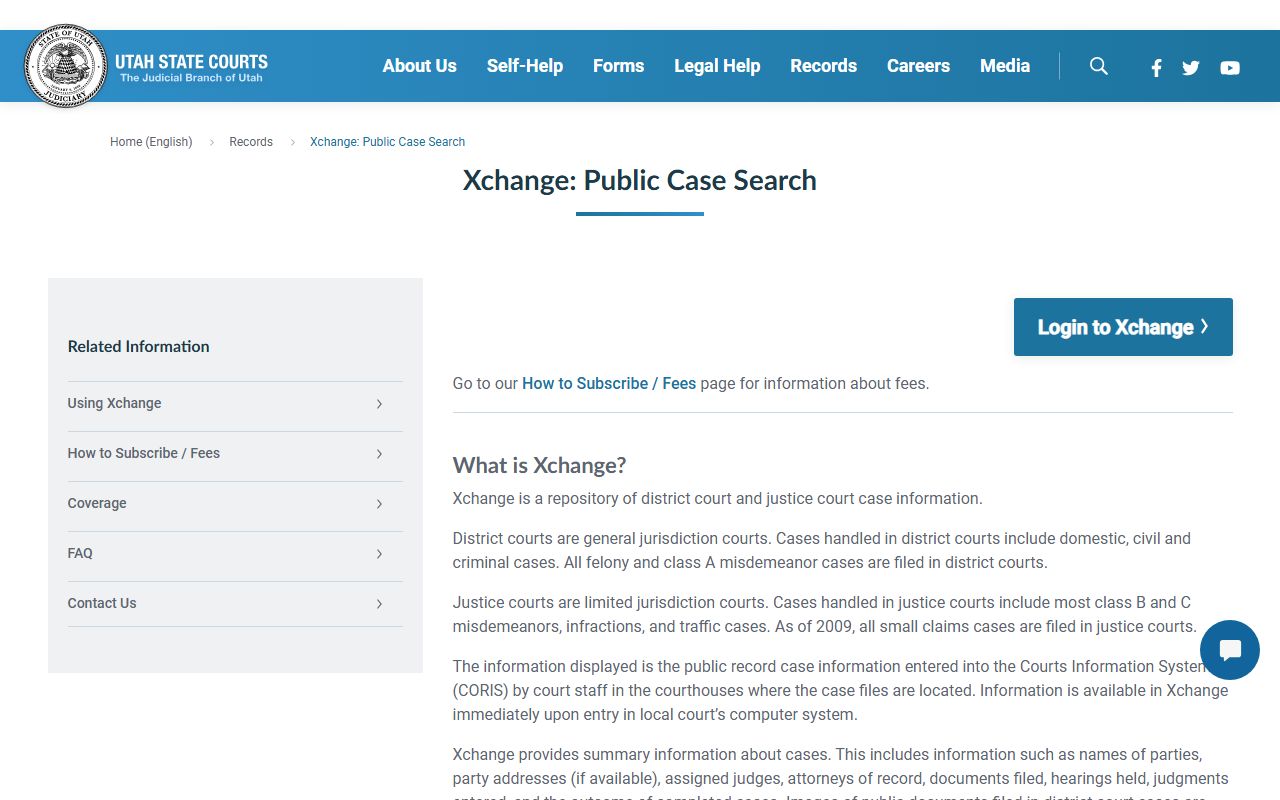
Each district court clerk maintains the full probate case files, which can be viewed in person at the courthouse or requested by mail or phone.
The Third District handles Salt Lake County, the state's most populous county with over a million residents. The First District serves Box Elder, Cache, and Rich counties in northern Utah. The Fifth District covers Beaver, Iron, and Washington counties in the southwest. The Second District serves Davis, Morgan, and Weber counties. The Eighth District handles Daggett, Duchesne, and Uintah counties in the Uintah Basin. Each district court clerk manages probate records for their jurisdiction going back to 1896 or earlier.
Types of Probate Records in Utah
Different probate proceedings generate different sets of records. Estate administration cases are the most common type. When someone dies, a personal representative is appointed by the court to gather assets, pay debts, and distribute the estate. The case file includes the petition for appointment, letters testamentary or letters of administration, an asset inventory, notices to creditors, any creditor claims, and the final order of distribution. All of these become public records once filed.
Will probate cases confirm whether a document qualifies as a valid will under Utah law. The court reviews the will and hears any objections from interested parties. Once admitted to probate, the will becomes a permanent public record. Under Utah Code § 75-3-107, probate proceedings must generally be started within three years of a person's death. After three years, a presumption of intestacy becomes final, though the court may still appoint a personal representative for limited purposes.
Guardianship cases give one person legal authority to make decisions about another person's care, living arrangements, and health. Conservatorship cases cover management of finances and property. Both types are generally accessible under GRAMA. Courts may limit access to sensitive details about minors or incapacitated persons. Small estate procedures apply to estates valued under $100,000 in Utah. These use an affidavit process rather than full probate and can close in as little as 30 days.
- Wills and testaments admitted to probate
- Letters testamentary and letters of administration
- Asset inventories and estate appraisals
- Creditor notices and claims against the estate
- Guardianship and conservatorship orders
- Small estate affidavits
- Final orders of distribution and estate closing orders
Utah Uniform Probate Code
Utah's probate law is codified in Title 75 of the Utah Code, the Utah Uniform Probate Code. It covers intestate succession, will requirements, estate administration, guardianship, conservatorship, trusts, and nonprobate transfers. The full text is available at law.justia.com/codes/utah/title-75.
Justia provides free searchable access to Utah Code Title 75, the Uniform Probate Code, covering all sections relevant to estate cases, wills, guardianship, and trusts.
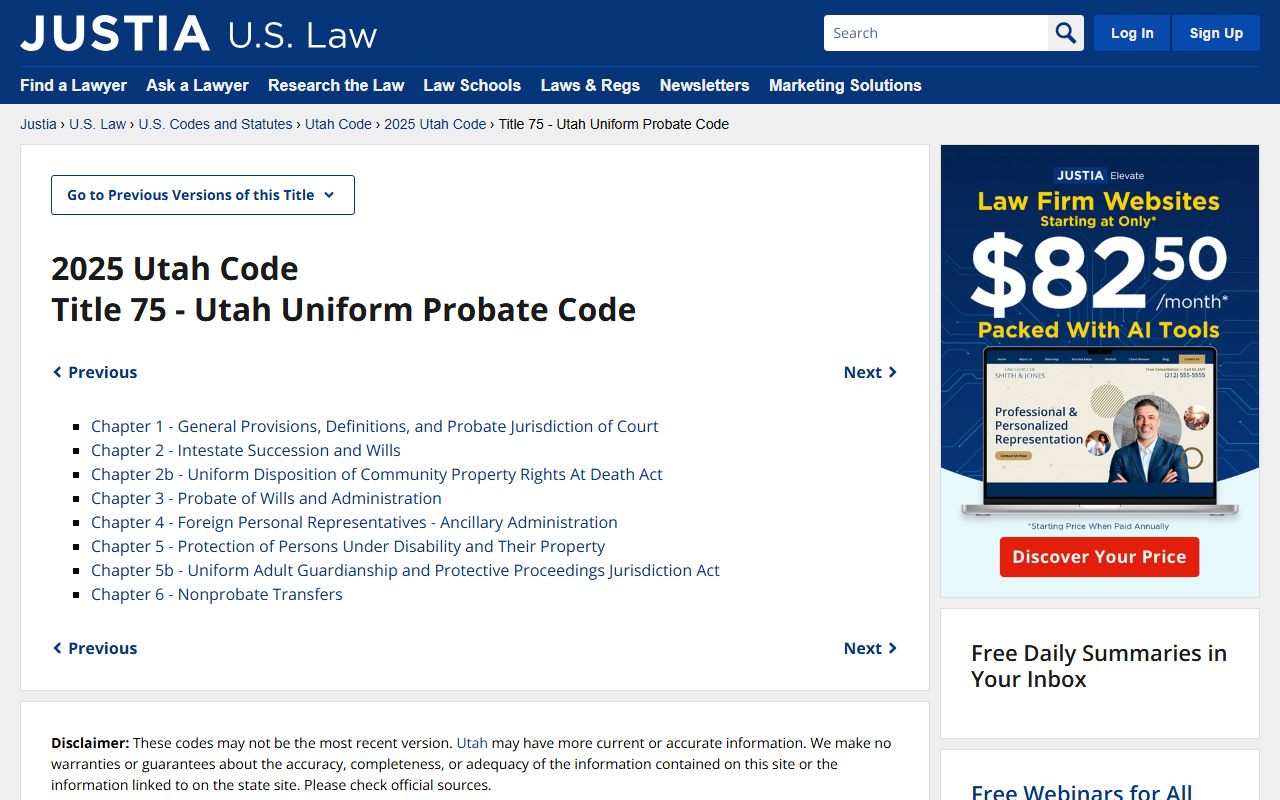
Title 75 is organized into eight chapters covering general provisions, intestate succession, probate of wills and administration, foreign personal representatives, protection of persons under disability, trusts, nonprobate transfers, and effective date provisions.
A few statutes are worth knowing when looking for probate court records. Under Utah Code § 75-2-104, an heir must survive the decedent by at least 120 hours, or five days, to inherit through intestate succession. Under § 75-2-102, if a married person dies and all their children are also the surviving spouse's children, the spouse inherits the entire estate. When some children are from a different relationship, the spouse receives $75,000 plus half the remaining balance. These rules shape what records are created and what the estate distribution looks like. The Utah Code of Judicial Administration, sections 4-202.02 and 4-202.03, governs which probate records are protected from public access.
Probate Court Record Fees in Utah
The initial filing fee for a new probate case in Utah is $375. This covers opening the case and processing the petition. Copy fees are charged separately when you want paper copies of records. Plain paper copies cost around $0.25 per page at most Utah district courts. Certified copies cost more and usually include a per-document certification fee. Copy fees can vary somewhat by county, so confirm current rates with the specific county clerk before you visit or mail a request.
The Utah State Courts forms page at utcourts.gov/forms provides official probate court forms for estate administration, guardianship, conservatorship, and small estate proceedings.
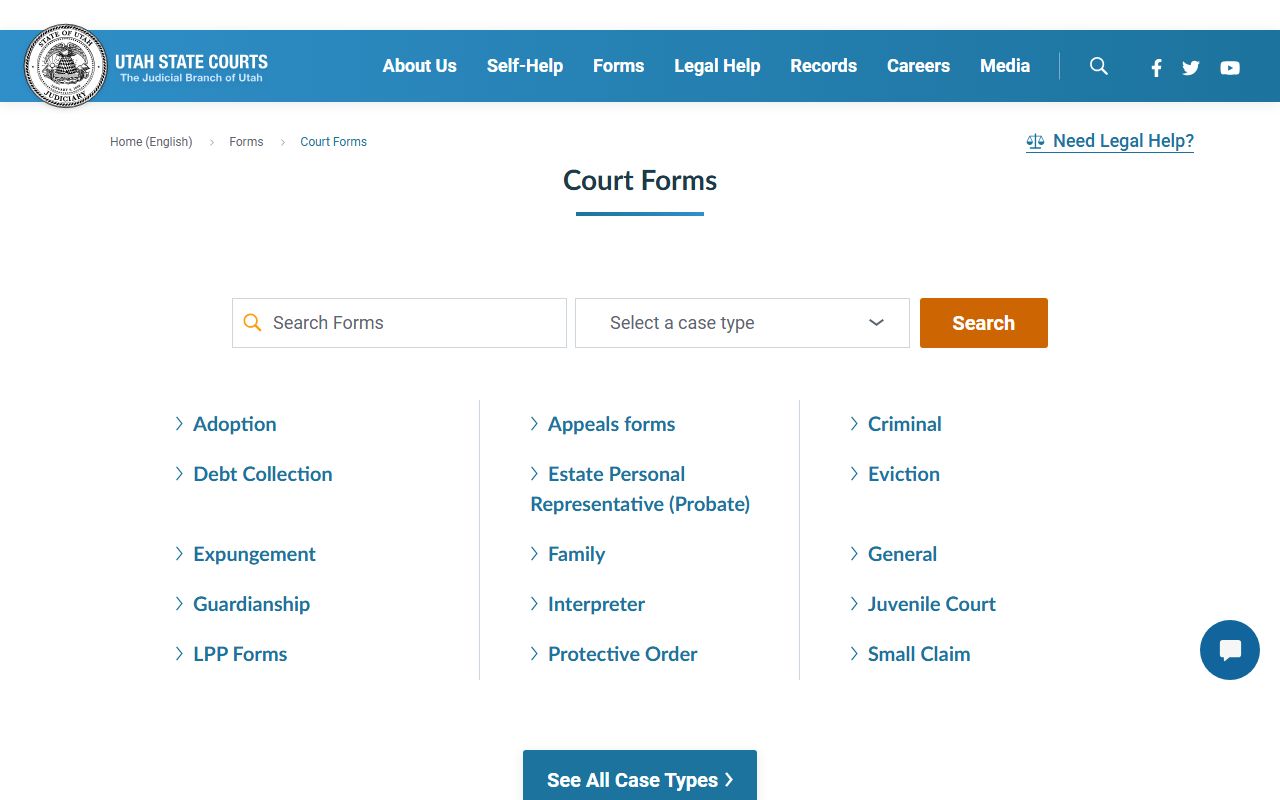
The Utah State Bar's Probate Forms Packet, approved by the Bar's Probate Committee, includes forms for informal probate, formal probate, estate administration, and guardianship proceedings.
Fee waivers are available for people who cannot afford court costs in Utah. You file a poverty affidavit with the court and show financial hardship, such as income below the federal poverty guidelines or receipt of public assistance. The court reviews the application and may waive some or all fees. Waiver forms are available through the court self-help center at utcourts.gov.
Note: XChange access adds fees beyond court copy costs. The initial account fee is $5.00, searches cost $0.35 each, and each document download is $1.00.
Historical Utah Probate Court Records
The Utah State Archives holds probate records going back to the territorial period of the early 1850s. The Archives is located at the corner of 500 North and Columbus Street, State Capitol Complex, Salt Lake City, UT 84114-1021, phone (801) 538-3012. Records include wills, estate settlements, guardianship files, and court registers. Some early probate records were kept in the personal journals of territorial probate judges.
The Utah State Archives at archives.utah.gov serves as the official repository for historical government records, including probate case files from territorial times through the mid-twentieth century.
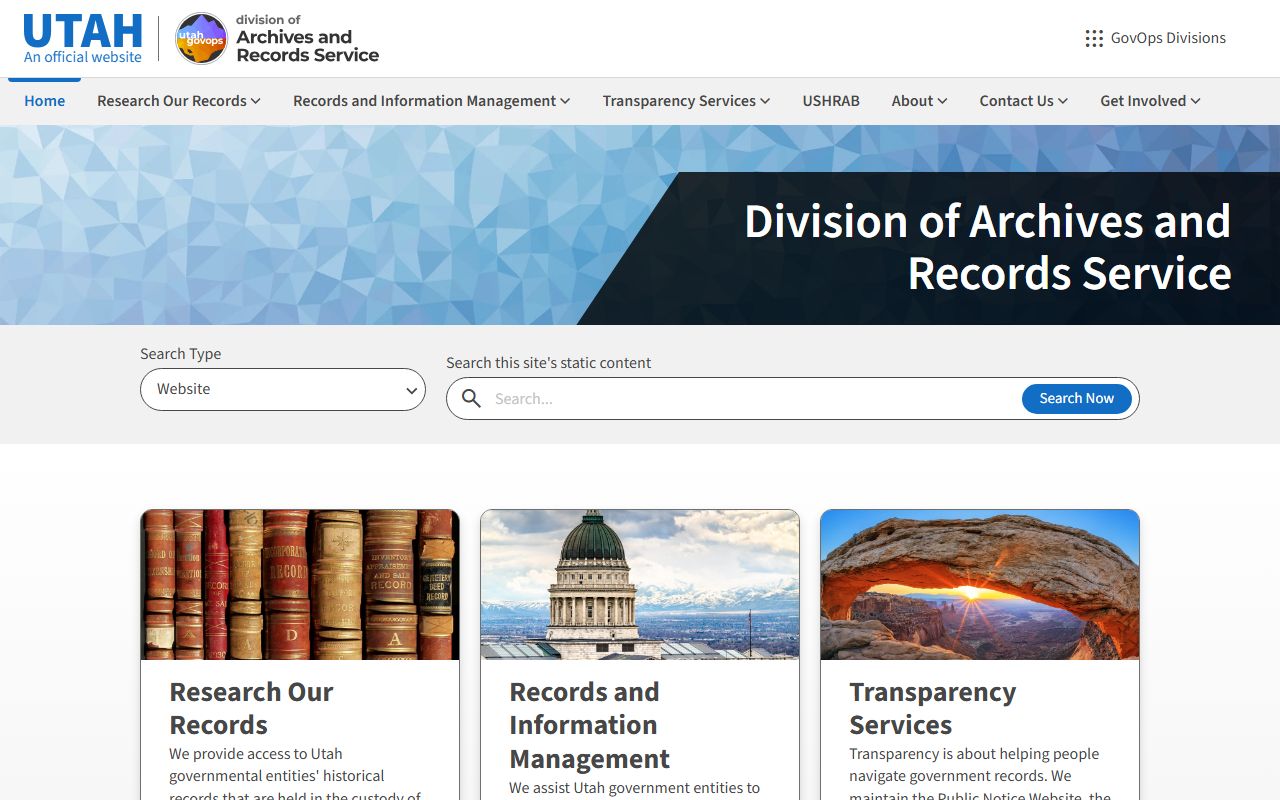
The Archives holds court registers, minute books, probate record books, and estate files from dozens of Utah counties, with some collections dating back to 1851.
Two major collections stand out for Utah probate research. "Utah, Probate Records, 1851-1961" covers Cache, Davis, Juab, Salt Lake, Summit, Utah, and Wasatch counties. "Utah, State Archives Records, 1848-2001" includes probate case files from Carbon, Emery, Piute, Salt Lake, San Juan, and Sevier counties. Salt Lake County probate records from 1852 to 1910 are available on 43 microfilm rolls and include an index. FamilySearch has digitized many of these records in partnership with the Archives. Historical probate records from numerous Utah counties can be searched for free at FamilySearch.org. The Library of Congress research guide to Utah courthouse records provides a detailed overview of what is available and where each type of record is held.
The Library of Congress guide to Utah courthouse records covers probate records at the county level from the territorial period through the present day.
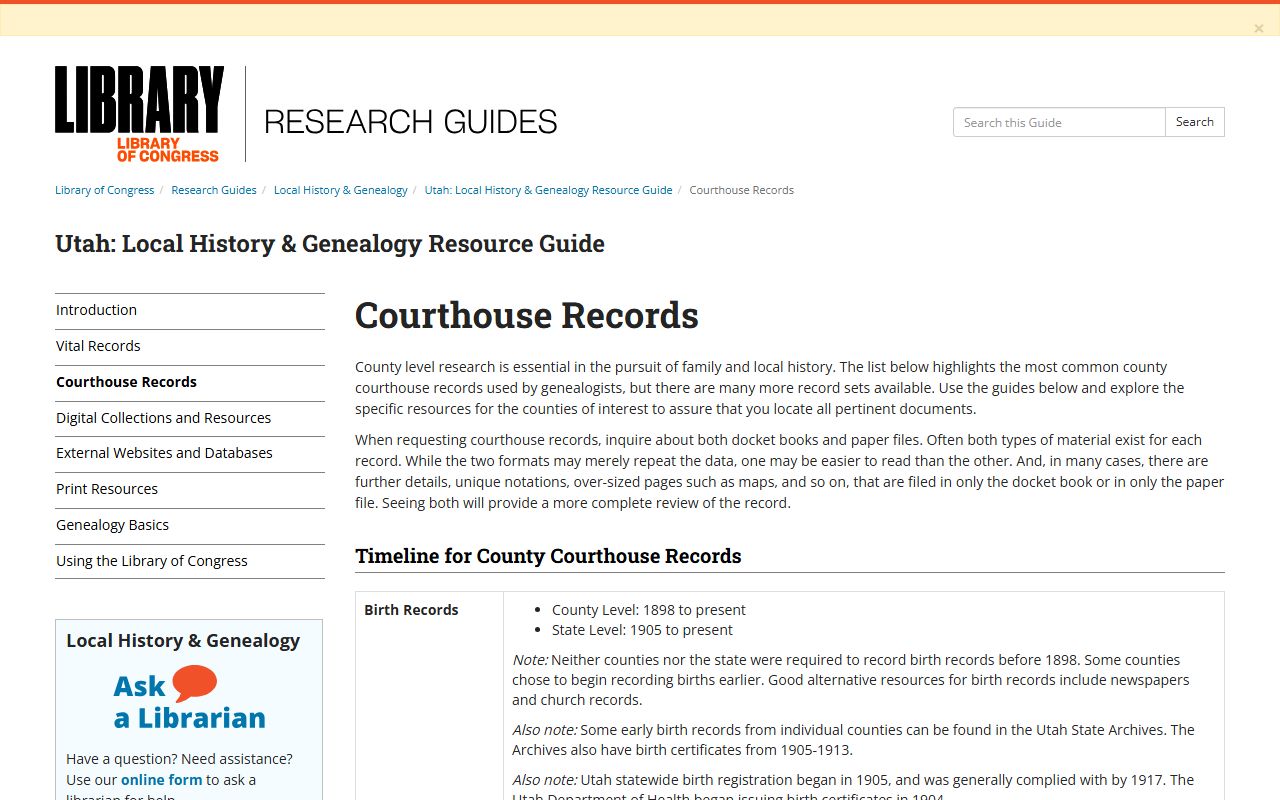
The guide traces Utah's court history from 1847 through the 1851 creation of territorial probate courts, the 1874 Poland Act that limited probate court jurisdiction, and the 1896 creation of the statewide district court system.
Who Can Access Probate Records in Utah
Probate court records in Utah are public under the Government Records Access and Management Act, known as GRAMA. The statute is Utah Code § 63G-2. Anyone can request access. You do not need to be a party to the case. You do not need to explain why you want the records. Agencies receiving a GRAMA request must respond within 10 business days, or five business days for expedited requests. Failure to respond counts as a denial under the law.
The Utah GRAMA statute at le.utah.gov establishes the public right to inspect government records, including probate filings maintained by Utah district courts.
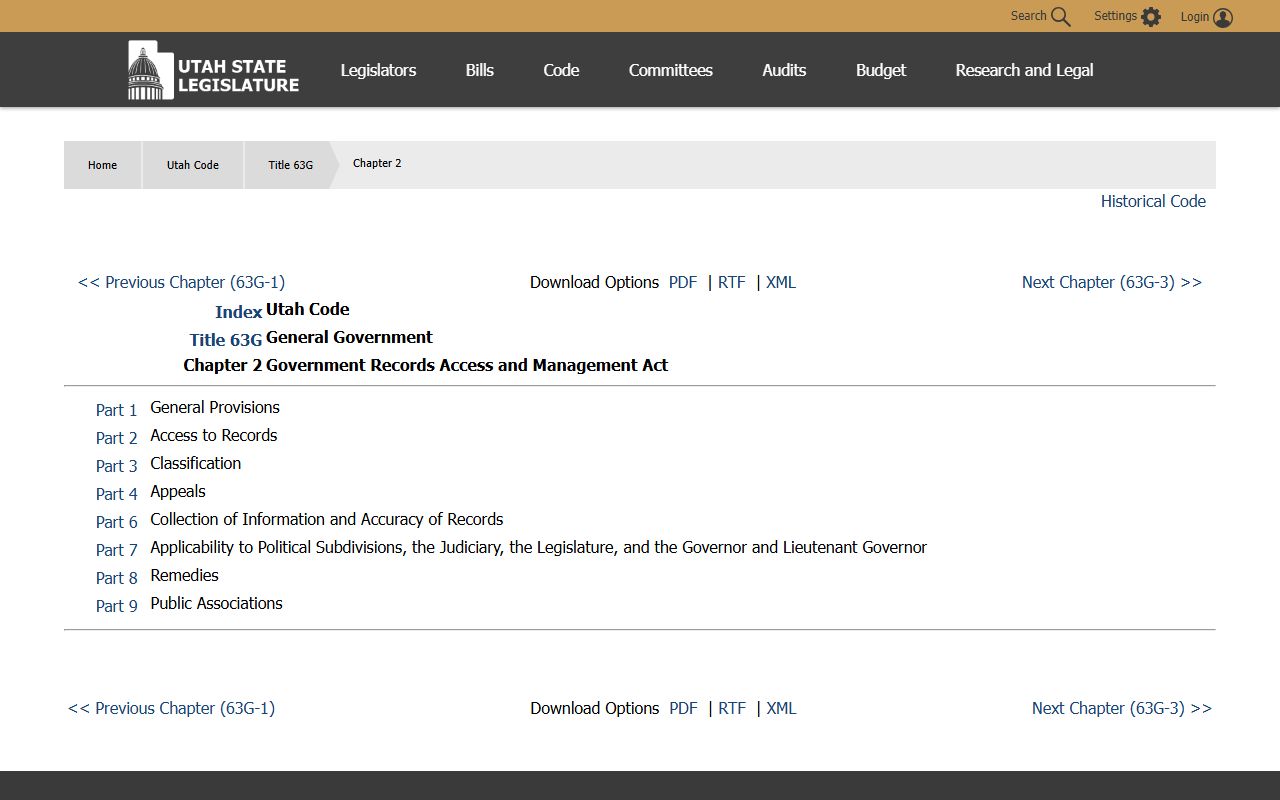
Requesters must submit their GRAMA request to the specific agency or court that holds the record they need. A single request cannot cover multiple agencies or counties.
Some records carry restrictions. Adoption papers are sealed for 100 years under state law. Guardianship records involving minor children may have limited public access. Cases that have been sealed by court order do not appear in the XChange search results. For most probate filings, though, access is open to the public without restriction. You can view records at the courthouse, order copies by mail, or search recent cases through the XChange system.
Legal Resources for Utah Probate Matters
Utah Legal Services offers free legal assistance to income-qualifying residents across the state. They handle estate matters, guardianship proceedings, and probate disputes. Visit utahlegalservices.org to check eligibility and find the nearest office.
The Utah State Bar at utahbar.org provides a lawyer referral service and a directory of licensed attorneys who handle probate, estate planning, guardianship, and conservatorship matters throughout Utah.
The Bar's Estate Planning Section and Elder Law Section are the best starting points for finding a qualified Utah probate attorney. The lawyer referral line is (801) 531-9077.
The Utah State Courts at utcourts.gov/forms offers approved forms and step-by-step instructions for informal probate, formal probate, small estate affidavits, guardianship, and conservatorship cases in Utah. These resources are designed for people handling simple matters without a lawyer. For complex estates, contested wills, or disputes between heirs, a licensed Utah probate attorney is strongly recommended.
Note: The Utah State Bar's Probate Committee approves standard forms used in district courts statewide. Using approved forms avoids delays and reduces the chance of rejection at the clerk's office.
Browse Utah Probate Court Records by County
Each of Utah's 29 counties has a district court that handles probate filings. Select a county below to find the local courthouse contact information and resources for probate court records in that area.
Find Probate Court Records in Utah Cities
Residents of Utah's major cities file probate cases at their county district court. Select a city below to find probate court records resources and courthouse information for that area.